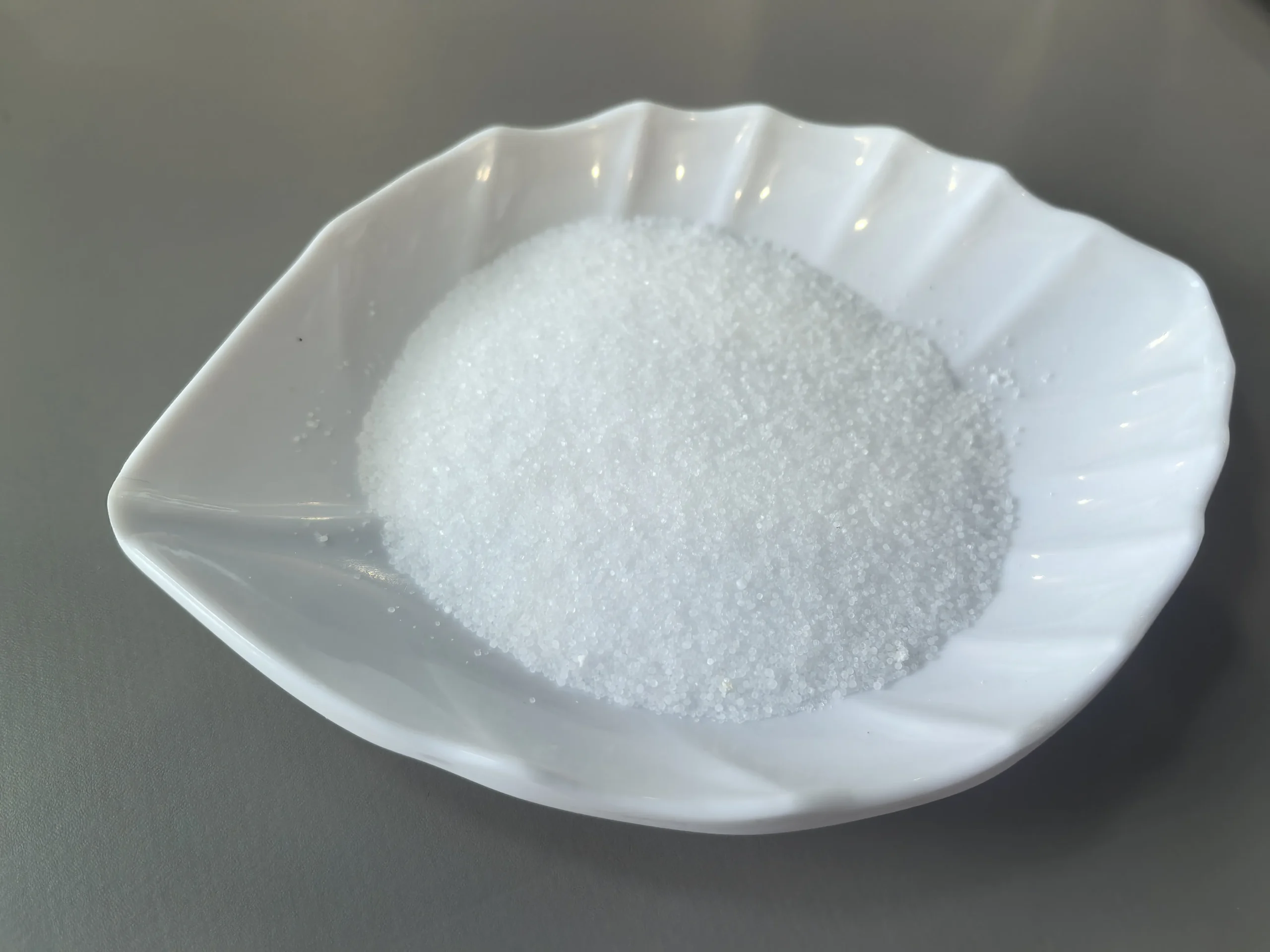


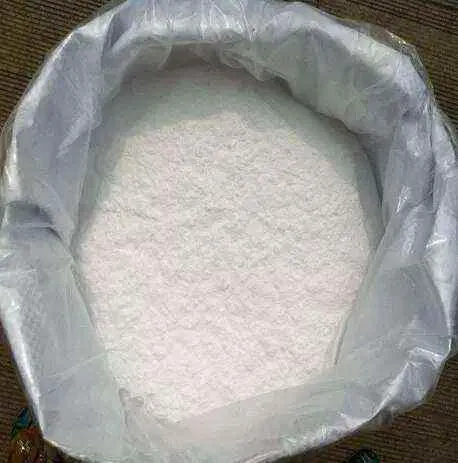


Guanidine hydrochloride CAS 50-01-1
Synonyms:guanidine,monohydrochloride;guanidinechloride;Guanidinemonohydrochloride;
guanidiniumhydrochloride;AMChemicalbookINOFORMAMIDINEHCL;
AMINOFORMAMIDINEHYDROCHLORIDE;AMINOMETHANAMIDINEHCL;
AMINOMETHANAMIDINEHYDROCHLORIDE
CAS No.: 50-01-1
Molecular Formula: CH 5 N 3 •HCl
Molecular Weight: 95.53
EINESC No.:200-002-3
Specification:
| Item | Specifications |
|---|---|
| Melting point | 180-185 °C(lit.) |
| density | 1.18 g/mL at 25 °C(lit.) |
| storage temp. | room temp |
| solubility | H2O: 6 M, clear, colorless |
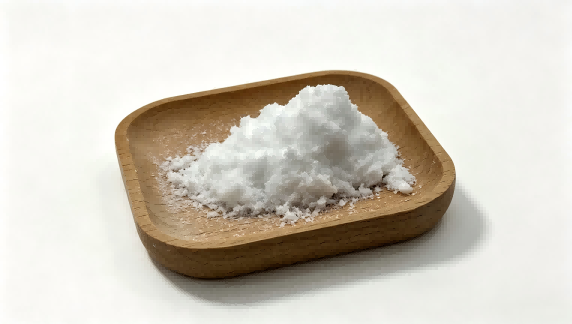
| form | Crystals |
| color | White to slightly yellow |
| PH | 4.5-5.5 (100g/l, H2O, 20℃) |
| Odor | Odorless |
| Sensitive | Hygroscopic |
| Stability: | Stable. Hygroscopic. Incompatible with strong oxidizing agents. |
General description
Guanidine hydrochloride, also known as guanidinium chloride, is a white‑to‑off‑white, odor‑free crystalline powder or granular solid. Its molecular formula is CH5N3.ClH, and the molecular weight is 95.53.
This compound is highly hygroscopic. It dissolves readily in water and ethanol, while nearly insoluble in acetone, benzene and ether. Its aqueous solution is nearly neutral. As a well‑known chaotropic reagent, it is widely applied in biochemistry for protein denaturation, protein refolding and RNA extraction. Industrially, it acts as a key organic intermediate used for manufacturing pharmaceuticals, agrochemicals, dyes and various guanidine‑derived fine‑chemical products.
Application
Guanidine hydrochloride has been used:
- as a component of the extraction buffer for the extraction of proteoglycans
- in extraction during protein fractionation of ATDC5 cell lines
- as a chemical additive to study its effective absorbance spectra in structural analysis
- to incubate the device chip to release prostate-specific antigen and for regeneration of aptamer
- as a component of the 2,4-dinitrophenylhydrazine (DNPH) solution for detecting protein carbonyls by protein carbonylation study
- in RNA isolation to dissociate nucleoproteins and inhibit RNase
Biochem/physiol Actions
Guanidine hydrochloride (GuHCl) is a small hydroscopic molecule. It plays a role in inhibiting heat shock protein 104 (Hsp104) adenosine triphosphatase (ATPase) activity in vivo. It is a potent denaturant and inactivator of several enzymes and proteins. GuHCl can inactivate aminoacylase and papain. It is involved in unfolding and inactivation of alkaline phosphatase in Haliotis diversicolor. At higher concentrations, GuHCl is involved in virus inactivation such as Herpes simplex virus 1 (HSV-1).
Features and Benefits
- Highly versatile surfactant for your cell biology and biochemical research
- Suitable for sensitive molecular biology applications
- Free from Exonuclease, Dnase and Rnase
- Tested to confirm low levels of heavy metal contamination, ensuring suitability for various applications
Preparation Note
The maximum solubility of guanidine hydrochloride in water at room temperature is approximately 6M.
Other Notes
Textile industry: Antistatic additive for synthetic fibers and acid‑dye fixing agent.
Water‑treatment: Bactericide and scale‑inhibitor additive for oilfield circulating water.
Dye‑making and general organic‑synthesis auxiliary reagent.
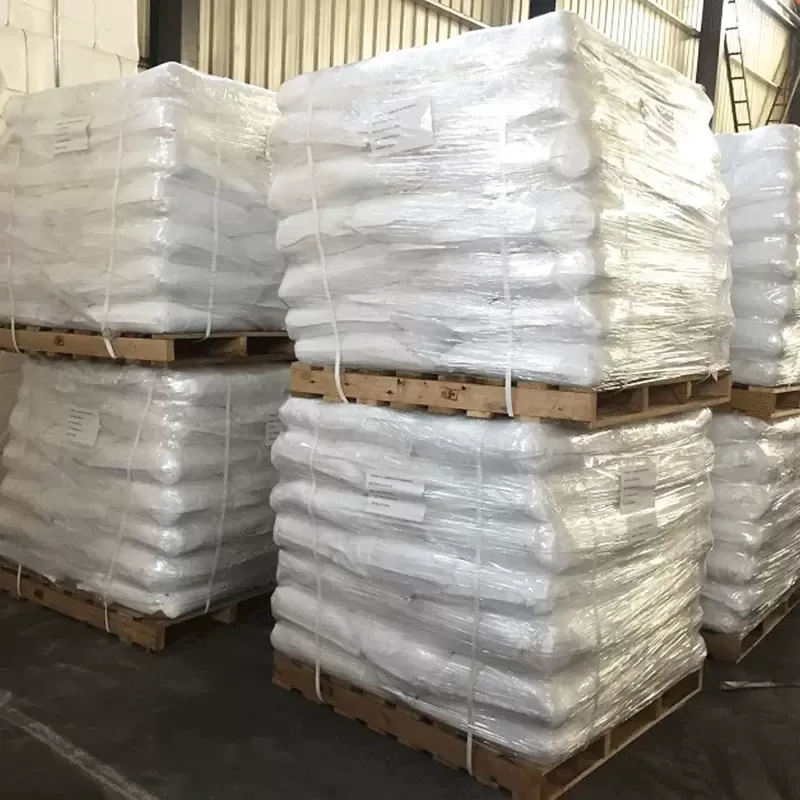
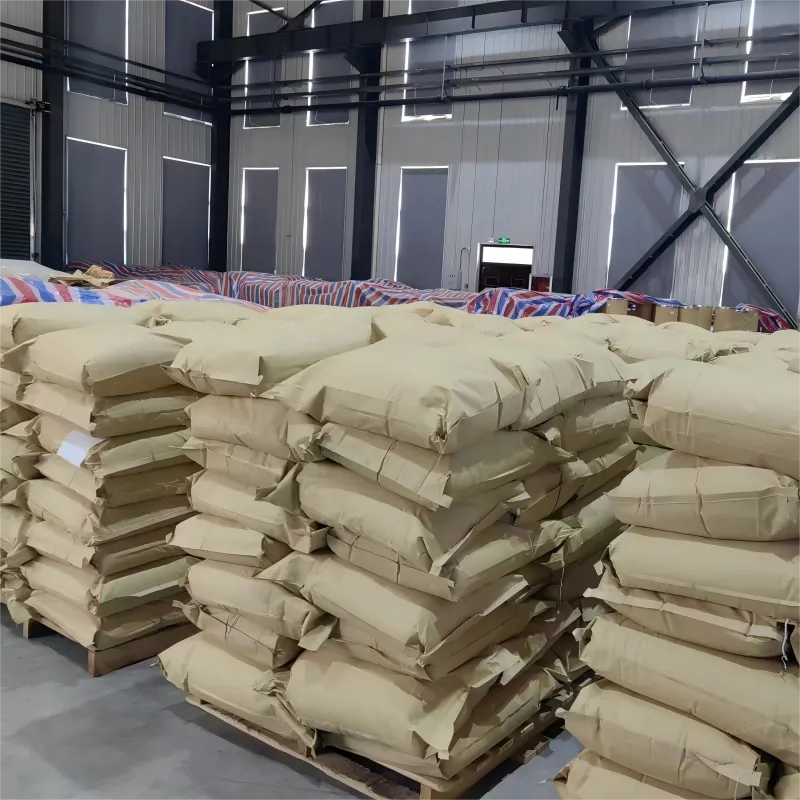
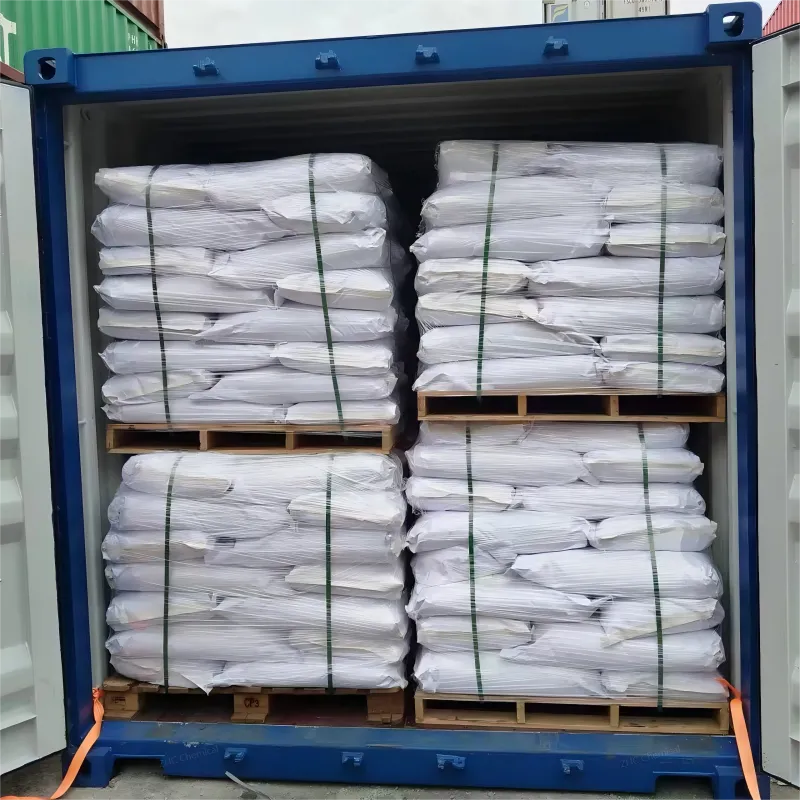
Package and Shipping:
25kgs/fiber drum
Storage:
Keep dry and cool place, seal package .
Disclaimer
May agglomerate upon storage. The quality of the product does not appear to be affected and solutions prepared from the free-flowing and lumpy guanidine hydrochloride appear identical.
SAFETY DATA SHEET (SDS)①
Guanidine Hydrochloride
CAS No.: 50-01-1
Revision Date: 2026-09-11
Version: 1.0
Prepared in accordance with OSHA Hazard Communication Standard (29 CFR 1910.1200), GHS (Globally Harmonized System)
SECTION 1: IDENTIFICATION
Product Name: Guanidine Hydrochloride
Synonyms: Guanidinium Chloride, Guanidine HCl
CAS Number: 50-01-1
Molecular Formula: CH₆ClN₃
Molecular Weight: 95.53
Recommended Use: Organic synthesis intermediate, biochemical denaturant, pharmaceutical intermediate, chemical auxiliary agent
Restrictions on Use: Not for food, drug, or direct human consumption.
Company: Shandong Zhongheng Chemical Technology Co., Ltd.
SECTION 2: HAZARD(S) IDENTIFICATION
GHS Hazard Classification
Acute toxicity (oral): Category 4
Skin irritation: Category 2
Serious eye damage/eye irritation: Category 2A
Signal Word: WARNING
Hazard Statements
H302: Harmful if swallowed.
H315: Causes skin irritation.
H319: Causes serious eye irritation.
Precautionary Statements
Prevention
P264: Wash skin thoroughly after handling.
P270: Do not eat, drink or smoke when using this product.
P280: Wear protective gloves, eye protection.
P261: Avoid breathing dust.
Response
P301+P312: IF SWALLOWED: Call a POISON CENTER or doctor if you feel unwell.
P302+P352: IF ON SKIN: Wash with plenty of water.
P305+P351+P338: IF IN EYES: Rinse continuously with water for several minutes. Remove contact lenses if present and easy to do. Continue rinsing.
P337+P313: If eye irritation persists, get medical advice.
Storage
P402+P404: Store in a dry, sealed container.
Disposal
P501: Dispose of contents/container in accordance with local regulations.
SECTION 3: COMPOSITION / INFORMATION ON INGREDIENTS
Substance: Guanidine Hydrochloride
CAS No.: 50-01-1
Concentration: ≥99.0%
Impurities: ≤1.0% (moisture, ammonium chloride, etc.)
SECTION 4: FIRST-AID MEASURES
Inhalation: Remove victim to fresh air. If breathing difficulty occurs, seek medical attention.
Skin Contact: Remove contaminated clothing. Rinse skin with plenty of running water for at least 15 minutes. If irritation persists, get medical help.
Eye Contact: Immediately flush eyes with large amounts of running water for minimum 15 minutes. Seek medical care.
Ingestion: Rinse mouth. Do NOT induce vomiting. Call a physician immediately.
SECTION 5: FIRE-FIGHTING MEASURES
Suitable Extinguishing Media: Dry chemical powder, CO₂, foam, water spray.
Unsuitable Media: Do not use direct high-pressure water jet on molten material.
Hazardous Combustion Products: Hydrogen chloride, ammonia, nitrogen oxides (NOₓ).
Firefighter Instructions: Wear self-contained breathing apparatus (SCBA) and full protective suit.
SECTION 6: ACCIDENTAL RELEASE MEASURES
Personal Precautions: Wear dust mask, chemical-resistant gloves and safety goggles. Avoid dust generation.
Environmental Precautions: Prevent material from entering drains, sewers and surface water.
Methods for Cleanup:
Small spill: Sweep up and collect into sealed containers. Avoid dust clouds.
Large spill: Dike spilled material. Collect solids for proper disposal.
SECTION 7: HANDLING AND STORAGE
Handling: Use local exhaust ventilation. Minimize dust formation. Avoid contact with skin, eyes. Keep away from strong oxidizers and strong bases.
Storage: Store in tightly closed containers. Keep in cool, dry place. This product is highly hygroscopic. Separate from strong bases, oxidizing agents and foodstuffs.
SECTION 8: EXPOSURE CONTROLS / PERSONAL PROTECTION
Exposure Limits: No established OSHA PEL or ACGIH TLV for this substance.
Engineering Controls: Local exhaust ventilation to control airborne dust.
Personal Protective Equipment (PPE)
Respiratory: Dust respirator when dust is present.
Skin: Chemical-resistant gloves, long-sleeve work clothing.
Eye: Chemical splash goggles.
SECTION 9: PHYSICAL AND CHEMICAL PROPERTIES
Appearance: White crystalline solid
Odor: Odorless
pH: 4.5 – 6.0 (1 M aqueous solution)
Melting Point: 181 – 183 °C (decomposes)
Boiling Point: Decomposes before boiling
Density: 1.354 g/cm³
Solubility: Highly soluble in water; soluble in methanol; slightly soluble in ethanol; insoluble in acetone, diethyl ether.
Stability: Stable under dry ambient conditions. Hygroscopic.
Polymerization: Will not occur.
SECTION 10: STABILITY AND REACTIVITY
Stability: Stable when stored sealed and dry.
Incompatible Materials: Strong bases, strong oxidizing agents.
Reaction Hazard: Reacts with strong bases to release free guanidine. Exothermic risk when mixed with strong oxidants.
Hazardous Decomposition Products: Hydrogen chloride, ammonia, nitrogen oxides upon heating.
SECTION 11: TOXICOLOGICAL INFORMATION
Acute Oral Toxicity (Rat LD₅₀): 475 mg/kg
Skin Irritation: Irritating to skin.
Eye Irritation: Severe eye irritant.
Carcinogenicity, Mutagenicity, Reproductive Toxicity: No confirmed evidence from standard toxicology studies.
SECTION 12: ECOLOGICAL INFORMATION
Ecotoxicity: Harmful to aquatic organisms. Do not discharge into water bodies.
Biodegradability: Partially biodegradable.
Bioaccumulation: Low potential for bioaccumulation.
SECTION 13: DISPOSAL CONSIDERATIONS
Waste Disposal: Recycle if possible. Otherwise, deliver waste to licensed hazardous waste handler.
Contaminated Packaging: Clean container before recycling or dispose following local waste regulations.
SECTION 14: TRANSPORT INFORMATION
Not classified as a dangerous good under UN transport regulations.
Proper Shipping Name: Guanidine Hydrochloride
Packaging: Sealed package, moisture-proof.
Transport Notes: Protect packages from breakage and moisture. Do not ship together with strong oxidants or strong bases.
SECTION 15: REGULATORY INFORMATION
US Regulations:
OSHA Hazard Communication Standard (29 CFR 1910.1200)
Not listed on US TSCA inventory exemptions; substance is on TSCA inventory.
Not subject to RCRA hazardous waste listing by default (waste classification depends on state rules).
State regulations may apply.
SECTION 16: OTHER INFORMATION
This SDS is prepared based on current available literature and standard chemical reference data. It describes safety requirements for handling the product. It is not a warranty of product properties. Users shall determine suitability for their own application and comply with applicable laws.
recent projects


Crafting the high quality products you can trust, Serving you better since 1995!